
Do They Think Before They Post? What Social Media Ethics Means to Your Association
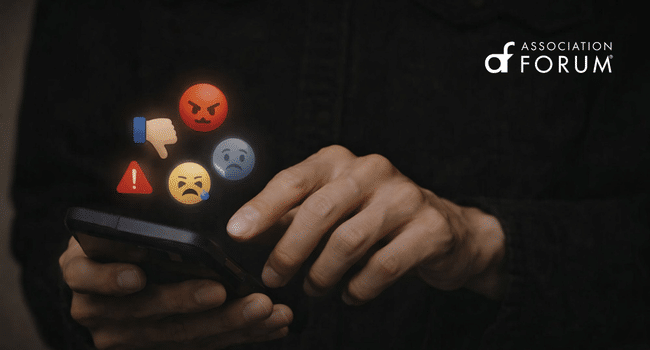
Social media trends are enjoyable, that is until they cross over into your world of work. Individuals sharing stereotypes about their jobs, filming in confidential locations, or simply being negative about the profession (think #QuitTok) can make these posts shift into “professionals gone wild” territory.
Associations carry the responsibility of safeguarding the profession’s reputation and cultivating public trust, knowing that a single viral video can create reputational damage that may take years to repair.
While the principle of “do not post content that would embarrass or harm others in your professional community or the people you serve” seems simple enough, it is not always that straightforward. Posters may believe their content is relatable, funny, or even helpful, but not everyone sees it that way. Sooner or later, a concerning situation is likely to end up in your association’s inbox.
Here are ten questions you should ask to further establish clear expectations for digital conduct and how to address concerns when they come your way:
- Do we have a documented policy, code or guideline on social media use?
- Is there an established review process to ensure that the document stays current with evolving platforms and trends?
- Has legal counsel for the state where the organization is located reviewed the document?
- Are we leading by example having incorporated the guidelines into our board or volunteer leader training?
- Is this information readily available to members and distributed annually?
- Are we providing social media education for the professionals in our community?
- Who on your staff is responsible for receiving and processing complaints, and are they properly trained to handle them?
- Who conducts a confidential investigation into a complaint?
- Who has the authority to make the determination on the outcome of the complaint?
- If a decision and action are taken—such as removal from membership or revocation of a certification—is the organization maintaining appropriate documentation in case the decision is ever challenged in a lawsuit?
If you don’t know an answer to all the above questions, work must be done to get in front of any potential issues! It’s best to be prepared than to construct a path as you are walking it.
Here are a few examples of how associations have addressed this topic.
- American Society of Association Executives (ASAE) recently updated its Ethics Toolkit (2025) to include Social Media Guidelines for association staff and volunteers. They highlight Professional Reputation Management – noting that any digital post, even on a personal account, can impact one’s professional image and an association’s reputation. ASAE’s sample policy also lists “Prohibited Content”: anything “malicious, obscene, threatening, or disparaging” toward colleagues, members, or stakeholders is strictly forbidden and can merit disciplinary action (including termination or ethics charges).
- Nurses have also been on the forefront of social media ethics. The American Nurses Association published “Principles for Social Networking and the Nurse” which lays out six non-negotiables. This not only supports the ANA but provides a guidepost for many of the smaller nursing organizational affiliates who look to ANA to establish precedent.
- The American Medical Association’s AMA’s Code of Medical Ethics contains an entire opinion on “Professionalism in the Use of Social Media.” It acknowledges social media’s benefits for outreach and collegiality but warns that online missteps can “undermine trust and damage the integrity of… the profession as a whole.” The code advises physicians that they “should be aware that they cannot realistically separate their personal and professional personas entirely online”.
By following best practices like those outlined above and looking at what peer organizations have done, you can craft a robust social media ethics policy and procedure. Said policy will help protect your association’s reputation, guide your members in navigating the online world responsibly, and ultimately uphold the honor and trust of your profession in the eyes of the public. Keeping that guidance front and center in your code will serve your members and your mission well.
We hope this information was helpful. If you need additional examples or have specific questions, connect with your peers in the My Forum online community—your essential “phone-a-friend” resource within the Association Forum membership.

Tags
Related Articles

25/7/365 Leadership: How to gain an extra hour every day (Without burning out)
Association professionals don’t work in a 9‑to‑5 world, but in a 24/7/365 reality. With high...

The Weight We Carry: What Teams Wish Leaders Understood
Association professionals are feeling the strain of relentless change—burnout, shifting expectations, and emotional fatigue are...

‘Let’s Get an Intern’: Rethinking Internships in the Association World
With structure and purpose, internships can be more than free labor — they can shape...